


Understanding Rodent Behavior
Smart rodents, including mice and rats, exhibit specific behaviors that can make them challenging to trap. Their foraging patterns are influenced by their instincts, which include a keen sense of caution and a remarkable ability to learn from previous encounters. For instance, once they experience a trap, they often remember its location and may avoid it in the future. Understanding these behaviors is crucial for developing effective trapping strategies that can outsmart even the most cautious rodents.
The Prebaiting Technique: Setting the Stage
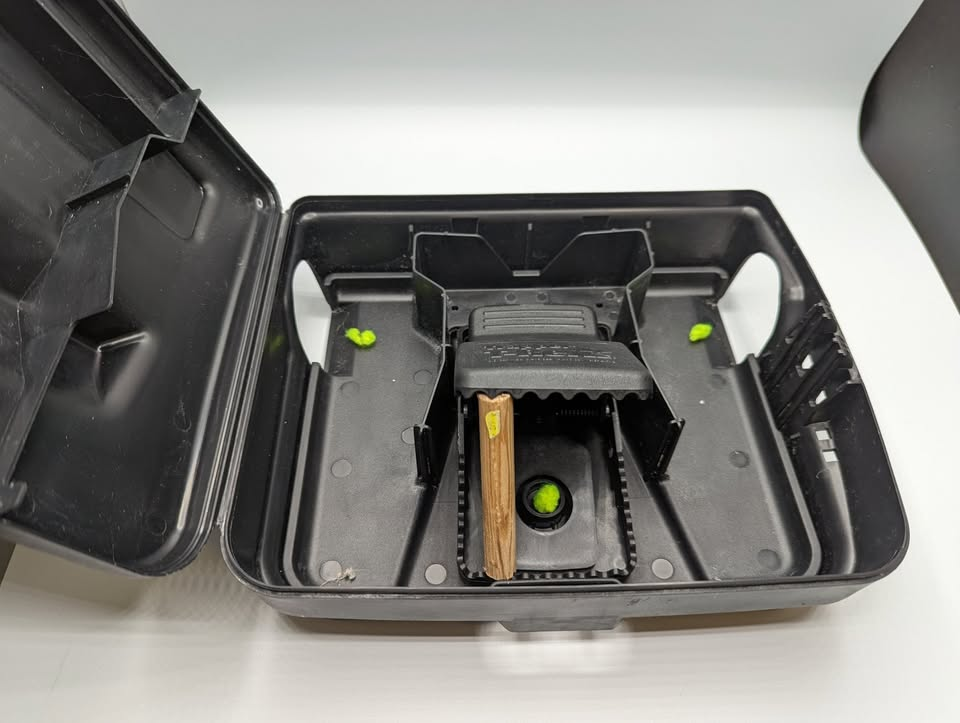
Prebaiting is a vital technique in rodent control that involves placing bait in the trap without setting it. This allows the rodents to feed without fear, creating a sense of safety. By providing a free meal, you encourage them to return to the trap multiple times. It’s important to monitor the bait and wait until it’s completely consumed before moving to the next step. This process can take a few days, but once the rodents feel comfortable, they are more likely to trigger the trap when it is set live.
Active Trapping: Maximizing Your Success
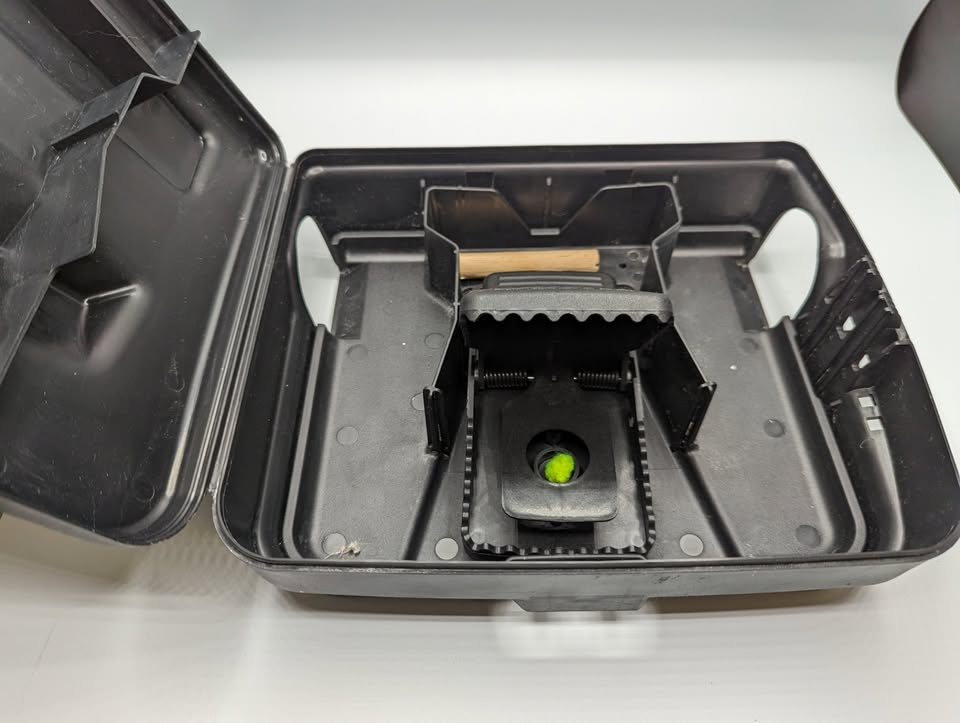
Once the rodents are accustomed to the bait, it’s time to transition to active trapping. This involves setting the trap with the same bait used during the prebaiting phase. Check the traps daily, as you can expect immediate action, especially if the rodents have become comfortable with the setup. If you notice a decline in activity, consider returning to the prebaiting phase to re-establish trust before trying again with active trapping.
Choosing the Right Bait: What Works Best?
Selecting the right bait is essential for effective trapping. The most successful bait will depend on the specific dietary preferences of the rodents in your area. Common options include peanut butter, honey, and even beef jerky. Experimenting with different types of bait can help you determine what attracts the rodents most effectively. Remember, the goal is to find something that appeals to them based on their natural foraging habits.
Troubleshooting: When Traps Aren't Working
If your traps aren’t catching any rodents, it’s time to troubleshoot. Common issues may include improper trap placement or stale bait. Ensure that traps are located in high-activity areas and that the bait is fresh and appealing. If you’re still facing challenges, consider revisiting the prebaiting phase to build trust with the rodents before attempting active trapping again.
Long-Term Solutions: Pest-Proofing Your Property
To prevent future rodent infestations, pest-proofing your property is crucial. This includes sealing entry points, removing food sources, and maintaining cleanliness. Regular monitoring and maintenance are essential to ensure that rodents do not return. A comprehensive approach to rodent management will help you achieve lasting results and protect your property from future infestations.
Frequently Asked Questions
NewGen Pest Control Team
Pest control specialists serving Greater Vancouver since 2016.7× Consumer Choice Award winners.