

Understanding the SRO Landscape in Vancouver
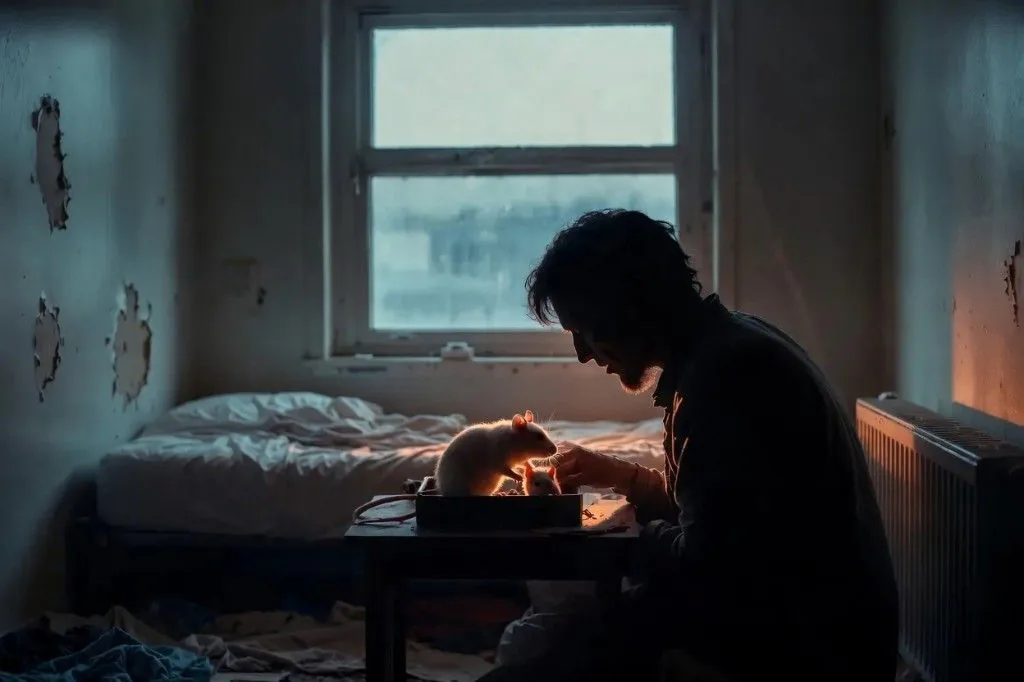
Single Resident Occupancy (SRO) hotels in Vancouver serve as crucial low-income housing options, often acting as the last stop before homelessness for many residents. These buildings, many constructed in the early 1900s, initially housed seasonal workers and have since become a vital part of the city’s affordable housing landscape. However, the conditions within these SROs are frequently inadequate, with reports of neglect leading to issues such as poor sanitation, structural damage, and pest infestations. The challenges faced by residents are compounded by the socio-economic realities of living in these environments, where mental health issues often intersect with housing instability.
The Unique Challenges of Rodent Infestations
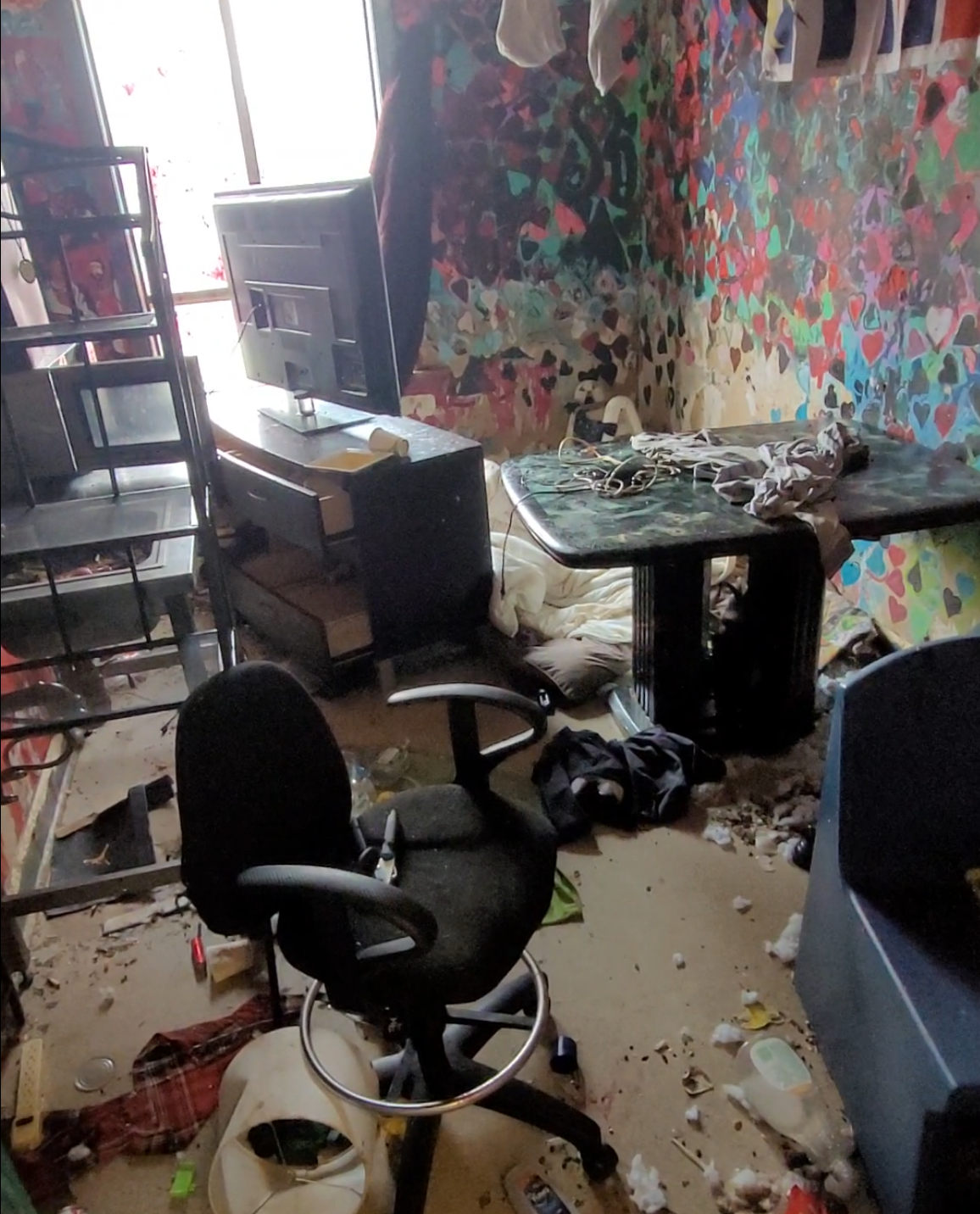
Rodent populations can explode in SROs, particularly when residents keep them as pets. The conditions within these buildings often facilitate uncontrolled breeding, leading to significant infestations that are difficult to manage. This situation poses not only a challenge for the residents' living conditions but also has implications for their mental health. The presence of rodents can exacerbate feelings of anxiety and distress, creating a cycle of suffering for both humans and animals in these environments. Understanding these dynamics is crucial for developing effective pest management strategies that consider the well-being of all inhabitants.
Case Study: A Crisis in an SRO
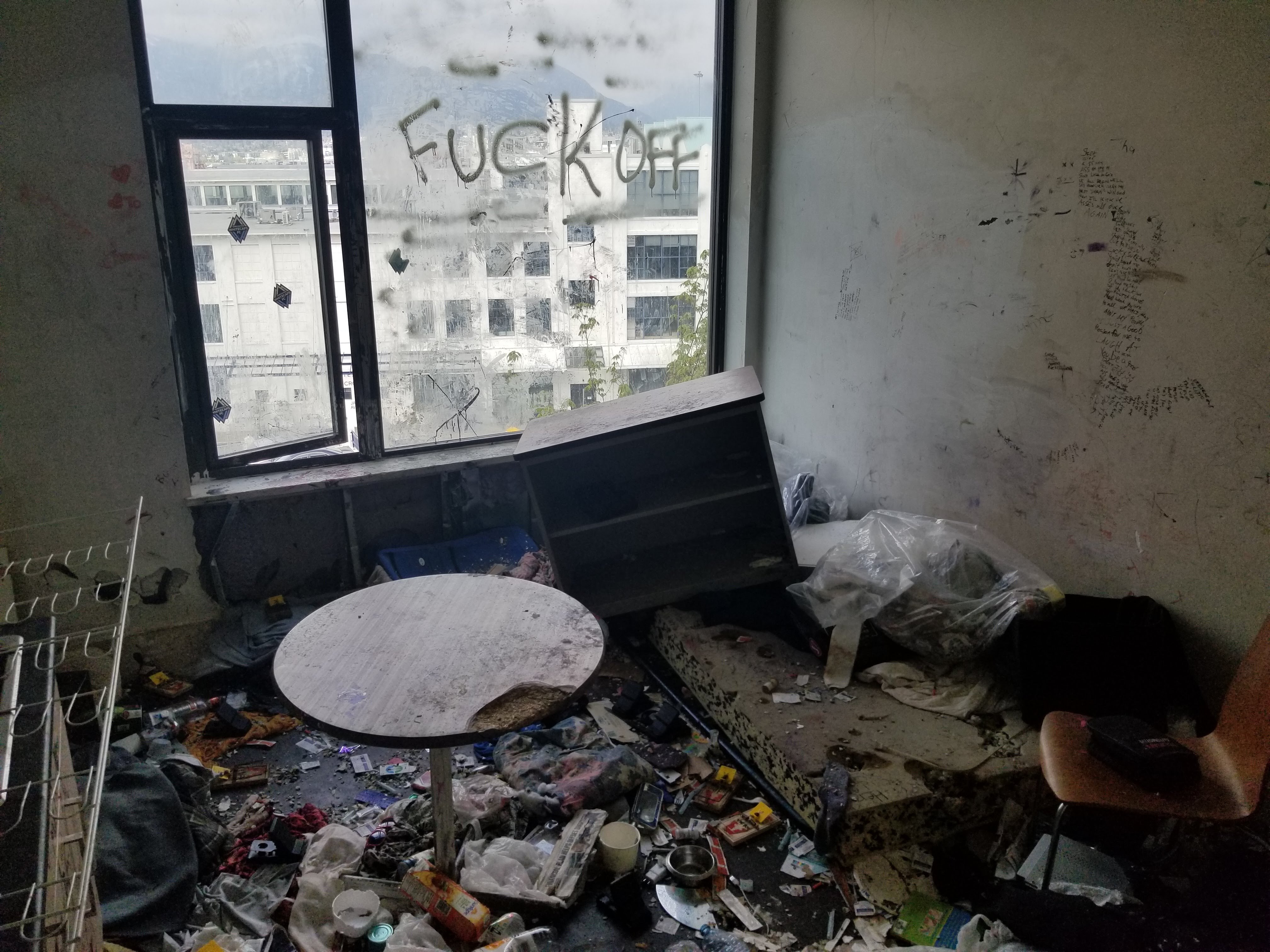
In one notable incident, a resident kept a pair of pet rats that rapidly multiplied, leading to a severe infestation. The situation escalated to the point where staff could not safely enter the resident's room due to the overwhelming number of rats. Traditional pest control methods proved ineffective, as the problem stemmed from within rather than from external sources. This case illustrates the emotional and physical toll on the resident, who sought companionship in their pets but found themselves in a crisis situation. The experience highlights the need for a compassionate approach to pest management that addresses the underlying issues rather than merely treating the symptoms.
A New Approach to Pest Management
Newgen has pioneered a methodology for addressing rodent issues in SROs, focusing on humane euthanasia and rehoming efforts. By engaging with residents and understanding their unique situations, the organization aims to provide support that goes beyond mere pest control. Community involvement is integral to this approach, as it fosters a sense of shared responsibility and empathy towards the animals involved. The goal is to manage rodent populations humanely while also addressing the broader issues of mental health and housing insecurity.
Building Community Awareness and Empathy
Educational outreach initiatives play a vital role in changing perceptions of rats and fostering empathy within the community. Programs aimed at children and local residents help to dispel myths about these animals, emphasizing their sentience and the circumstances that lead to infestations. By promoting understanding and compassion, these initiatives work to create a more supportive environment for both residents and the animals they may keep as companions.
Research and Future Directions
Ongoing research efforts are focused on understanding the complexities of human-animal dynamics in SROs. By examining the companionship aspect of pet rats and exploring how mental health support can be integrated into pest management strategies, these studies aim to inform future practices. The insights gained will not only benefit pest control efforts but also contribute to broader discussions about housing, mental health, and animal welfare in urban settings. Ultimately, the goal is to develop sustainable solutions that recognize the interconnectedness of human and animal lives in these challenging environments.
Frequently Asked Questions
NewGen Pest Control Team
Pest control specialists serving Greater Vancouver since 2016.7× Consumer Choice Award winners.