

The Global Food Security Challenge
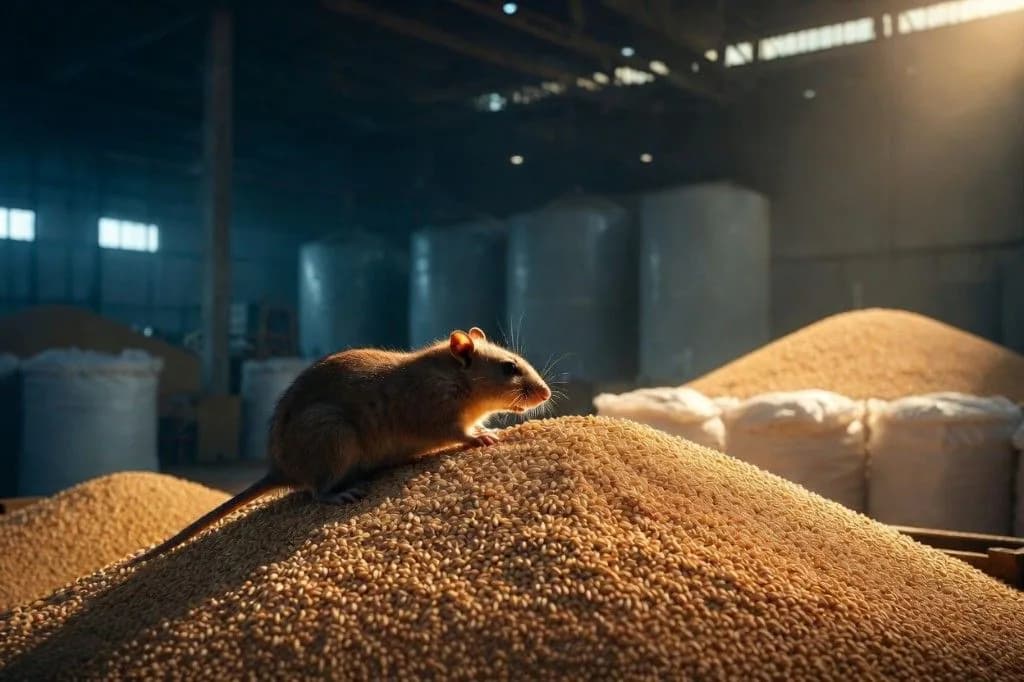
As the world population continues to grow, the demand for food rises, making food security a pressing issue. Rodents pose a significant threat to global food security by consuming and contaminating food supplies. In fact, it is estimated that rodents can consume or spoil up to 20% of the global food supply, exacerbating the challenges of ensuring that food remains safe and available for everyone.
The Role of Rodenticides: A Double-Edged Sword
Rodenticides are commonly used to combat rodent infestations, but their effectiveness is increasingly questioned. While they are widely regarded as the standard solution for rodent control, studies show that rodents can quickly develop resistance to these poisons. This resistance not only diminishes the effectiveness of rodenticides but can also lead to unintended consequences, such as harming non-target species and contributing to the emergence of super rats that are even harder to control.
The Data Deficit: Implications for Policy and Practice
The lack of comprehensive data on rodenticide use and its impacts hinders effective policy-making. Insufficient data complicates the tracking of rodent populations and the efficacy of control measures, making it difficult to develop strategies that effectively address the issue. Without accurate information, policymakers may struggle to implement effective solutions, leaving food security at risk.
Innovative Alternatives to Rodenticides
To combat the limitations of rodenticides, it is crucial to explore sustainable alternatives that prioritize effectiveness without the environmental drawbacks. Innovative methods such as physical barriers to prevent rodent entry, habitat modification to reduce attractants, and the use of non-toxic traps can effectively reduce rodent populations. These alternatives not only manage rodent issues but also minimize environmental impact, creating a healthier ecosystem.
A Holistic Approach to Pest Management
To truly address the issue of rodent control and its impact on food security, a holistic approach is essential. This involves integrating various pest management strategies, including community education, habitat modification, and non-toxic control methods. By fostering collaboration among stakeholders and promoting environmentally friendly practices, we can create a healthier environment for both humans and wildlife.
Conclusion: Towards a Sustainable Future
In conclusion, the reliance on rodenticides may not be the most effective solution for managing rodent populations and ensuring global food security. It is essential to shift towards sustainable, data-driven pest management solutions that prioritize the health of our food supply and the environment. Collaborative efforts in developing effective alternatives can secure the global food supply for generations to come.

Frequently Asked Questions
NewGen Pest Control Team
Pest control specialists serving Greater Vancouver since 2016.7× Consumer Choice Award winners.