

Commercial mouse control in Greater Vancouver
We work with your facilities or strata lead: map runs at loading doors, garbage corners, and wall lines, seal real gaps, service traps, and write each visit up clearly.
260+ Five-Star Reviews
Google verified
7× Consumer Choice Award
Humane Solutions Inc.
Results Guaranteed
Root causes fixed, not masked
Report After Every Visit
Documented and readable
Licensed & Insured
BC pest control certified
Mouse Control
Built for Your Operation
Every commercial mouse control engagement starts with a documented site assessment — we map structural vulnerabilities, entry points, and activity patterns before any material is placed. The scope is set to what your facility actually needs.
Inspect
A thorough site assessment covering pest activity, every structural vulnerability, entry point, and environmental driver — building a complete picture before any action is taken.
Resolve
We identify the root cause and eliminate it at the source — physical exclusion, structural sealing, targeted treatment — tailored to the specific conditions of your property.
Monitor
We implement a transparent, data-rich follow-up process — AI-assisted reporting, trend tracking, and continuous system refinement — so results don't just hold, they improve.
What We Do
Mouse Control — Every Scope We Handle
Commercial mouse assessment
Written scope from real sign
Sealing and pest proofing
Mouse gaps closed properly
Interior and exterior devices
Control what is inside and along routes
One-way doors when holes are active
Exit and lock the opening
Follow-up and verification
Confirm seals held, sign gone
Commercial mouse assessment
We walk loading doors, garbage and recycling rooms, janitorial closets, and exterior perimeters for rub marks, droppings, and gaps mice actually use. You get findings tied to spots on the building.
What's included
- Manager walkthrough when available
- Interior priority areas staff flag
- Photo-backed items for maintenance
- Quote matched to openings we confirm
Sealing and pest proofing
Mice need very little space. We seal with mesh and backing that survives chewing, plus door sweeps and utility gaps as the site needs.
What's included
- Rodent-grade mesh at pipe and panel gaps
- Door and dock-level fixes where mice bridge
- Exterior transitions and vent gaps
- Staged plan when crawl or void access is tight
Interior and exterior devices
Traps inside where sign and safety allow; exterior stations along active runs when the program calls for it. Servicing stays on a rhythm you can plan around.
What's included
- Interior trap layout from activity
- Exterior stations when warranted
- Servicing with catch or disturbance notes
- Moves when the pattern shifts
One-way doors when holes are active
On a confirmed active hole, a one-way door clears mice out that route, then we seal it. Not every site needs one — we only spec it when sign supports it.
What's included
- Confirmed active entry only
- Timed seal after exit window
- Paired with interior control as needed
- Plain explanation on site
Follow-up and verification
Return checks for new gnawing, pulled gaps, or fresh sign — especially in shared services areas where doors get propped or loads change daily.
What's included
- Re-pass on sealed zones
- Trap and station review
- Quick fixes before repeat infestation
- Honest assessment of whether activity is dropping
Why NewGen
What Makes Our Mouse Control Different
Timelines set from mouse biology, not rat biology
Mice don't need a direct water source the way rats do, so they can persist inside longer after exclusion. We set timeline expectations from that, not a one-size rodent script.
Visit notes your managers can actually use
Visit notes capture what was checked, serviced, and caught so facilities and strata councils can follow the thread.
We say when shared walls change the plan
Garbage rooms, risers, and common corridors often drive suites. We say when the whole building has to cooperate.
Built for Greater Vancouver building types
Wet weather, tight lanes, and older service corridors change how mice move — assessments account for that.
What to Expect
From First Call to Resolved
Your contact approves scope, we schedule inspect/work/service passes, and each visit has a clear purpose. Documentation goes to whoever runs the account.
Typical completion window
Related Services
Recent Projects

Proactive Pest Proofing for New Hotel Development
A new Hyatt hotel development received comprehensive structural pest proofing before exterior finishing, preventing rodent access through siding gaps and drip flashing vulnerabilities.
View Project →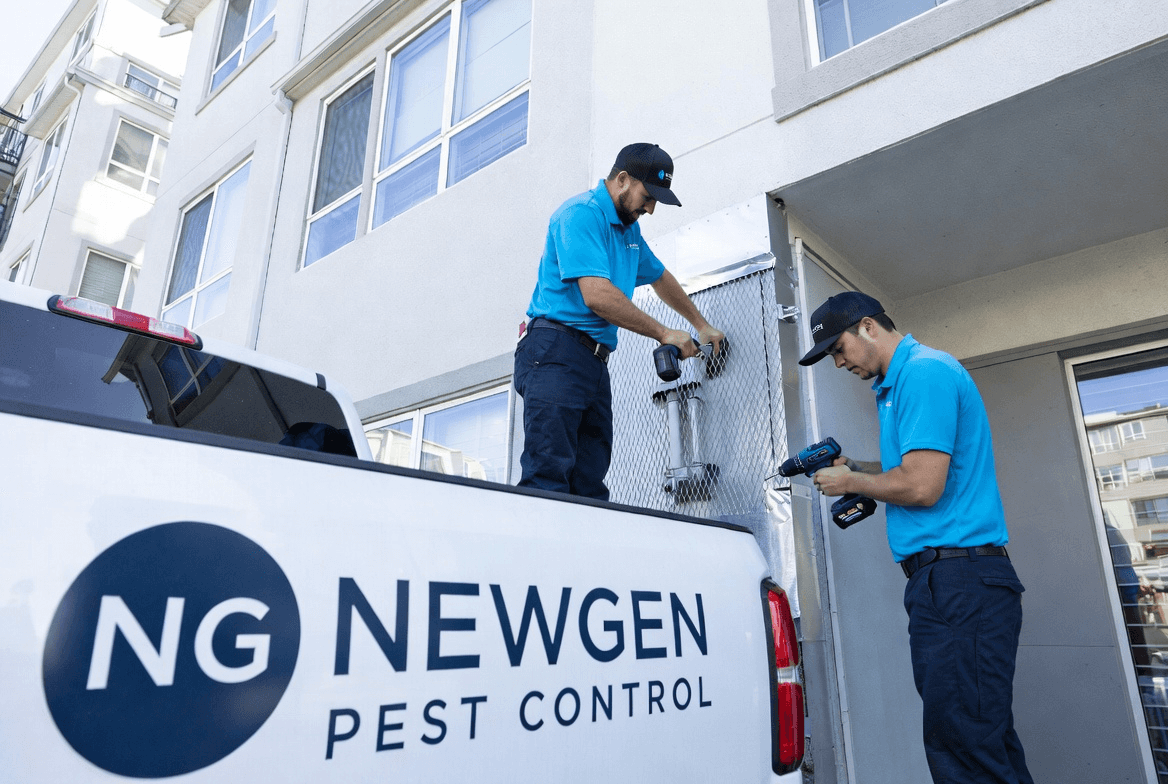
Structural Pest Proofing for High-End Apartment Building
A historic mouse infestation at a premium apartment complex required custom powder-coated flashing and structural exclusion to address foundation gaps and window sill vulnerabilities.
View Project →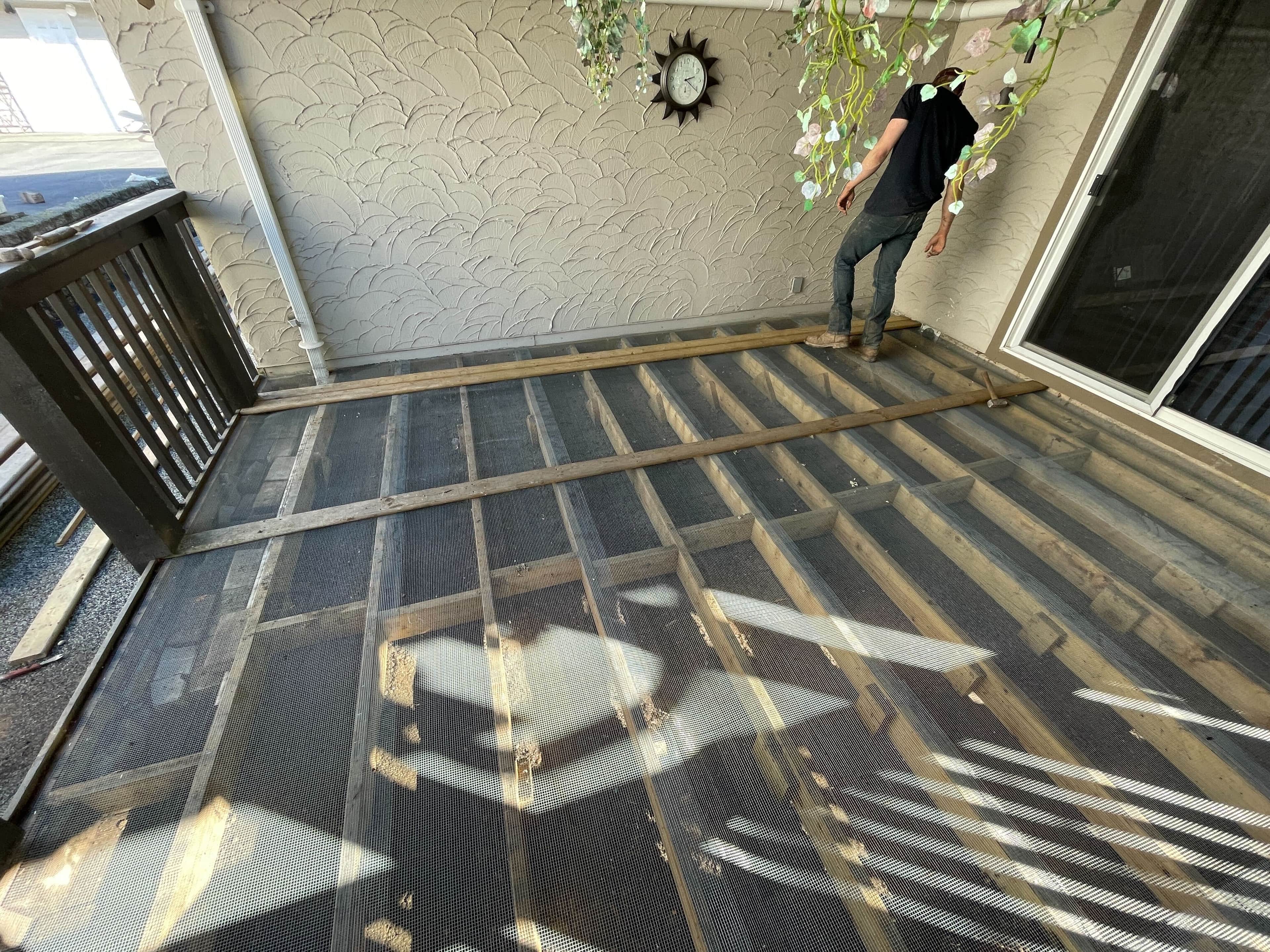
Premium Deck Pest-Proofing and Rodent Control Project
This case study details the extensive pest-proofing work conducted on a residential deck, alongside rodent control efforts, focusing on both immediate remediation and long-term prevention strategies.
View Project →From the Field
DIY Pest Proofing Guide For Rodents
Achieve permanent rodent control through structural exclusion rather than recurring poison treatments. This comprehensive guide covers identifying access points, installing one-way doors, and strategic trapping for same-day results.
Read Article →Hell Pits: When Foundation Flaws Create Never-Ending Rodent Infestations
A hell pit building has deteriorated foundation penetrations that allow rodents underground access through utility pathways, defeating standard pest control methods. Learn how to identify these problematic structures and the specialized remediation required.
Read Article →